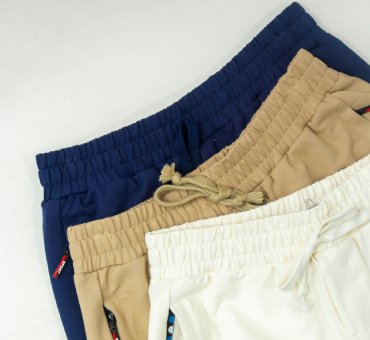


India’s fashion and textile industry is undergoing a transformative shift, with knitted polyester garments leading the change. Renowned for their comfort, performance, and cost-effectiveness, these fabrics are making a significant impact in segments like activewear, casualwear, innerwear, and kidswear. As domestic consumption grows and global export opportunities rise, India is swiftly positioning itself as a key player in the knitted polyester fashion space.
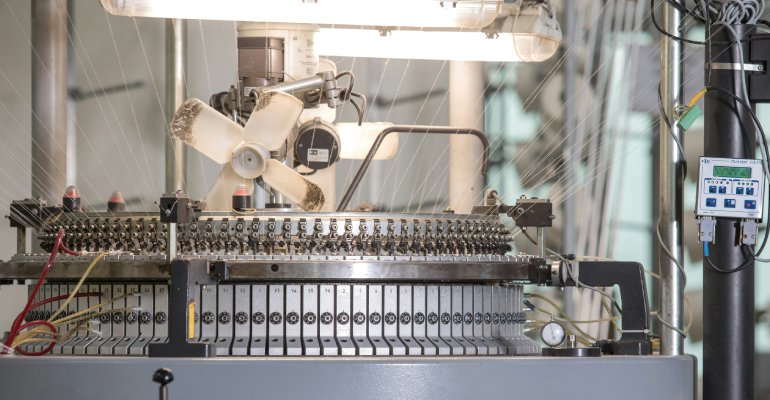
Knitted polyester is produced using circular and warp knitting machines, resulting in fabrics that are naturally stretchable, breathable, and soft to the touch. These characteristics make it a popular choice for both fashion-forward and functional garments. Its flexibility and comfort make it especially suitable for activewear, loungewear, and body-hugging silhouettes. The fabric is highly durable, maintaining its shape and appearance without shrinking, wrinkling, or fading—even after repeated washes. Its moisture-wicking properties help keep the body dry, making it ideal for fitness and sportswear. In addition to performance, knitted polyester is also cost-effective, offering a more affordable alternative to many natural fibers. Moreover, it is highly receptive to digital and sublimation printing, enabling designers to create vibrant patterns, graphics, and brand elements with ease.
Knitted polyester fabrics have significantly evolved from their traditional use in sportswear to now dominating a wide range of fashion segments. Today, they are widely used in garments such as T-shirts, polos, casual tops, leggings, joggers, lounge pants, sports bras, tanks, and activewear co-ords. Their presence is also strong in dresses, tunics, fashion tops, kidswear, sleepwear sets, innerwear, and loungewear designed for comfort. This widespread adoption highlights not only the practical advantages of polyester knits—like stretch, durability, and easy maintenance—but also their rising appeal in contemporary fashion for both functionality and style.
India’s polyester knitwear industry is witnessing rapid growth, driven by shifts in consumer lifestyles, increasing fitness consciousness, and expanding global market opportunities. The domestic knitwear market is projected to surpass ₹1.6 lakh crore by 2027, with polyester capturing a growing share among man-made fibers. Textile hubs such as Tirupur are aggressively expanding their polyester-based garment production and aim to double exports by 2030. Government initiatives, including the Production Linked Incentive (PLI) scheme and the establishment of MITRA textile parks, are providing a significant push to the development of synthetic fiber value chains. Additionally, rising export demand from regions like the UK, EU, and Australia supported by favorable trade agreements and the diversification strategies of global brands is further boosting India’s position in the global polyester knitwear market.
Although polyester is a synthetic fiber, the industry is increasingly embracing sustainable practices and advanced technologies to reduce its environmental impact. One of the key steps in this direction is the use of recycled polyester (rPET), made from post-consumer plastic bottles, which serves as a sustainable alternative to virgin polyester. Innovations such as low-impact dyeing and digital printing are helping to minimize water, energy, and chemical usage during production. Furthermore, the adoption of circular fashion models, which promote upcycling, garment recycling, and waste minimization, is gaining momentum. With growing awareness around sustainability, brands that integrate eco-friendly polyester blends and transparent, ethical manufacturing practices are gaining favor among both domestic and international consumers.
Despite its strong growth, the knitted polyester segment faces several challenges that must be addressed. A major concern is import dependency, as a considerable portion of polyester yarns and raw materials are still imported, affecting production costs and timelines. Climate-related comfort issues also pose a limitation—polyester, being less breathable than cotton, may feel uncomfortable in India’s hot and humid weather conditions. Additionally, there are environmental concerns, particularly around plastic waste and microplastic pollution, due to the non-biodegradable nature of polyester. However, continuous innovation in textile technology, investment in local recycling infrastructure, and the promotion of sustainable production practices are progressively tackling these challenges, supporting the sector’s journey toward more responsible and resilient growth.